(847) 392-2141

121 S. Wilke Rd, Ste 120 Arlington Heights, IL 60005-1510

Payment Portal

Arlington Smiles Dental Studio
  • About
    • Meet Our Team
  • Services
    • Cosmetic Dentistry
      • Cosmetic Tooth Bonding
      • Dental Crowns
      • Dental Veneers
      • Dental Bridges
      • Dentures
      • Smile Makeover
      • Teeth Whitening
    • General Dentistry
      • Childrens Dentistry
      • Dental Cleaning And Exams
      • Dental Sealants
      • Family Dentistry
      • Preventive Dentistry
      • Tooth Fillings
    • Emergency Dentistry
      • Tooth Extractions
    • Restorative Dentistry
      • Dental Implant Restorations
      • Mouth Guards
      • Periodontal Gum Disease
      • Root Canal Therapy
      • Scaling and Root Planing
      • TMJ Treatment
  • New Patients
  • Blog
  • Contact
Book An Appointment
  • New Developments in Cosmetic Dentistry

    New Developments in Cosmetic Dentistry

    Are you curious about the latest advancements in cosmetic dentistry? The field has seen significant innovations, enhancing both the effectiveness and efficiency of treatments, ensuring patients can achieve their desired outcomes with greater precision and comfort. These developments are reshaping the landscape of cosmetic dental care, making it more accessible and appealing to a broader audience.

    Advances in Teeth Whitening Techniques

    The field of cosmetic dentistry is continuously evolving, with significant advancements being made in the area of teeth whitening. These developments aim to address the common desire for a brighter, more appealing smile. Innovations in this sector have led to methods that are not only more effective but also focus on minimizing discomfort and reducing the time it takes to see visible results. As the technology progresses, these techniques are becoming more accessible to a wider audience, making the dream of a perfect smile a reality for many.

    Understanding who stands to benefit the most from these advancements is crucial. The Ideal Candidates for Cosmetic Dentistry are those looking for improvements in the appearance of their teeth while maintaining oral health. As the industry moves forward, it’s important to keep informed about the latest techniques and their potential impact on dental care. This knowledge ensures that individuals can make informed decisions about their cosmetic dentistry options.

    Innovations in Dental Veneers Materials

    The field of cosmetic dentistry is witnessing a remarkable evolution, particularly in the area of dental veneers. These thin pieces of durable material, traditionally used to cover the front surface of teeth and improve their appearance, are now benefiting from groundbreaking advancements in materials science. Innovations have led to the development of veneers that are not only more aesthetically pleasing but also boast enhanced durability and compatibility with the natural structure of teeth. This progress is pivotal in offering individuals options that are more tailored to their specific dental needs and aesthetic desires.

    Moreover, these advancements in dental veneers materials are setting new standards in cosmetic dentistry, pushing the boundaries of what can be achieved in smile enhancement. As materials become more advanced, the possibilities for patients seeking cosmetic dental improvements expand, allowing for more personalized and long-lasting results. For those interested in exploring the latest options in cosmetic dentistry, visiting the Top Arlington Heights Cosmetic Dentistry Clinic can provide insight into how these innovations might benefit their own smile enhancement goals.

    Digital Smile Design Evolution

    The landscape of cosmetic dentistry has been significantly transformed with the evolution of Digital Smile Design (DSD). This innovative approach leverages cutting-edge technology to enhance the planning and execution of aesthetic dental treatments. By utilizing advanced software, dental professionals can now create precise, personalized smile designs that are tailored to the unique facial features of each patient. This evolution not only improves the predictability of cosmetic dental outcomes but also enhances patient satisfaction by providing a visual preview of the potential results before any treatment begins. The integration of DSD into cosmetic dentistry practices marks a significant step forward in the pursuit of achieving the perfect smile.

    New Trends in Orthodontic Solutions

    The landscape of cosmetic dentistry is constantly evolving, with new trends in orthodontic solutions leading the charge towards more efficient and less invasive treatments. Innovations in this field are focused on enhancing patient comfort while shortening treatment times, reflecting a broader shift towards personalized dental care. These advancements are not only changing how treatments are approached but also improving patient outcomes and satisfaction. As the dental industry continues to innovate, practices like Arlington Heights Dentist stay at the forefront, incorporating the latest developments to ensure their patients receive the most advanced care available.

    Breakthroughs in Gum Contouring Procedures

    The landscape of cosmetic dentistry is continually evolving, with significant advancements being made in the realm of gum contouring procedures. These breakthroughs have revolutionized the approach towards achieving a balanced and aesthetically pleasing smile. Innovations in technology and technique have made it possible to address a variety of gum-related concerns with greater precision and minimal discomfort. As a result, individuals seeking cosmetic dental solutions now have access to more effective and less invasive options for enhancing the appearance of their gums, further underscoring the dynamic nature of cosmetic dentistry’s ongoing development.

    Conclusion

    Explore the future of your smile by staying informed on new developments in cosmetic dentistry. For further discussion, call us at 847-392-2141 or read our reviews on Google Maps.
    Kickstart

    April 16, 2024
  • Ideal Candidates for Cosmetic Dentistry

    Ideal Candidates for Cosmetic Dentistry

    Who exactly makes the ideal candidate for cosmetic dentistry? Generally, those seeking to enhance the appearance of their smile, whether through altering the shape, size, color, or alignment of their teeth, may consider exploring cosmetic dentistry options. It encompasses a broad range of individuals with diverse aesthetic goals for their dental health and appearance.

    Understanding Cosmetic Dentistry Procedures

    Cosmetic dentistry encompasses a wide range of dental treatments aimed at improving the appearance of teeth and smiles. From subtle changes to major repairs, these procedures can address various concerns, such as discolored, chipped, misshapen, or missing teeth. Each cosmetic dentistry procedure has its unique approach and benefits, catering to the specific needs and desires of patients. For those interested in exploring the options available, learning about the Varieties of Cosmetic Dental Treatments is an essential step. This knowledge helps individuals understand what procedures might be suitable for their situation and sets the stage for informed discussions with dental professionals.

    The field of cosmetic dentistry is continually evolving, with advancements in technology and techniques offering more effective and efficient solutions for enhancing dental aesthetics. Understanding the range of procedures available, including teeth whitening, veneers, bonding, and dental implants, allows individuals to gauge how cosmetic dentistry can help achieve their aesthetic goals. It’s important for anyone considering cosmetic dental work to have a clear understanding of what each procedure entails, including the potential outcomes and any necessary maintenance. This foundational knowledge ensures that individuals can make confident decisions about pursuing cosmetic dentistry to improve their smile.

    Assessing Your Dental Health

    Before considering any cosmetic dentistry procedures, it’s crucial to evaluate your overall dental health. This assessment involves examining the health of your teeth and gums, as well as the alignment of your bite. Healthy teeth and gums are foundational to any cosmetic improvements, ensuring that enhancements not only look good but are also long-lasting. The state of your dental health can significantly influence the types of cosmetic dentistry procedures that may be appropriate for you, highlighting the importance of a thorough dental check-up.

    Understanding the condition of your dental health is a step that cannot be overlooked when contemplating cosmetic dentistry. It’s essential to consult with dental professionals who can provide a comprehensive evaluation and guide you through understanding the potential and limitations of cosmetic dental procedures based on your unique dental profile. For those seeking expert advice in this area, consider reaching out to the Arlington Heights Experts in Cosmetic Dentistry, who can offer insights tailored to your specific needs.

    Cosmetic Dentistry and Self-Confidence

    Cosmetic dentistry plays a pivotal role in enhancing an individual’s self-confidence. By addressing various dental concerns, it can significantly improve the appearance of one’s smile. This branch of dentistry focuses on aesthetic improvements, which can lead to a positive impact on an individual’s self-perception and how they are perceived by others. A confident smile can open doors to new opportunities and improve interpersonal relationships, making cosmetic dentistry an appealing option for those looking to boost their self-esteem.

    Evaluating Smile Aesthetics

    When considering the journey towards enhancing one’s smile, evaluating smile aesthetics stands as a fundamental initial step. This process involves a comprehensive look at the current state of one’s teeth and gums, focusing on aspects such as alignment, color, size, and overall harmony between teeth and facial features. Understanding these elements can help individuals gauge their desires and expectations from cosmetic dentistry. It’s a reflective phase that encourages a person to think about what aspects of their smile they appreciate and which areas they feel could benefit from improvement. For those in the Arlington Heights area pondering their cosmetic dentistry options, Arlington Heights Dentist at Arlington Smiles Dental Studio can provide further insights into evaluating smile aesthetics.

    Timing for Cosmetic Dental Work

    When considering the journey towards enhancing one’s smile through cosmetic dentistry, understanding the optimal timing for such procedures is crucial. The decision to pursue cosmetic dental work is highly personal and varies significantly from one individual to another. Factors influencing the timing include personal schedules, life events, and overall oral health status. It’s essential to recognize that each person’s situation is unique, and the appropriateness of timing for cosmetic dental interventions can depend on a variety of personal and health-related factors.

    Conclusion

    To explore more, read reviews on Google Maps or call us at 847-392-2141 today.

    Kickstart

    April 16, 2024
  • Varieties of Cosmetic Dental Treatments

    Varieties of Cosmetic Dental Treatments

    Are you curious about the different ways to enhance your smile through cosmetic dentistry? Cosmetic dental treatments encompass a wide range of procedures designed to improve the appearance of your teeth, from subtle changes to major repairs, addressing various aesthetic concerns.

    Cosmetic Dental Teeth Whitening Procedures

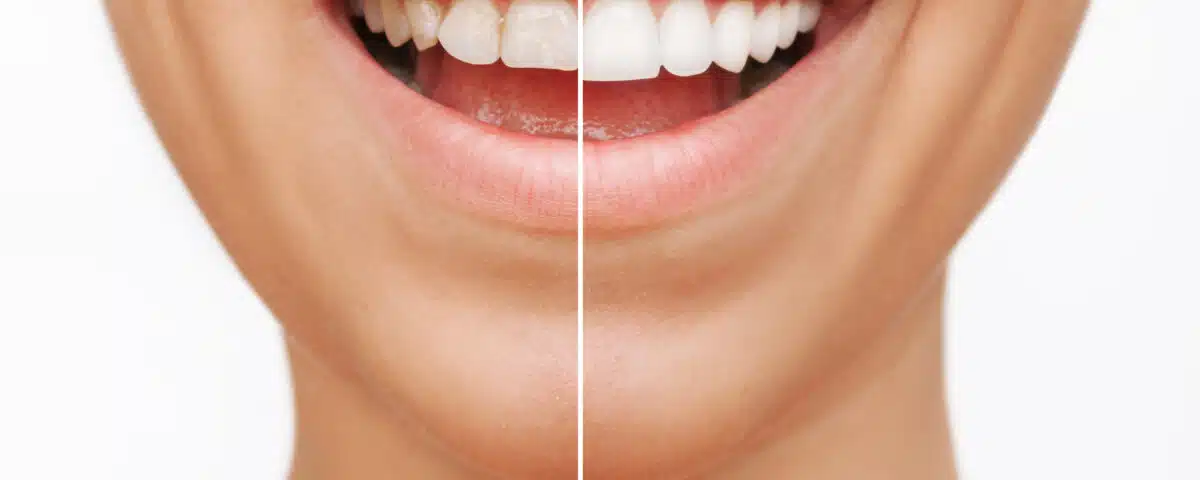
    Teeth whitening is one of the most popular cosmetic dental treatments available today, appealing to individuals looking to brighten their smile. This procedure aims to remove stains and discoloration from the teeth, resulting in a noticeably whiter appearance. The reasons for teeth discoloration vary, including dietary habits, smoking, and the natural aging process, making teeth whitening a sought-after option for those wishing to improve the aesthetic appeal of their smile.

    For those considering cosmetic dental treatments, understanding the associated costs is crucial. A comprehensive guide on Cosmetic Dentistry: Costs Explained can offer valuable insights into what one might expect to invest in procedures like teeth whitening. It’s important to consult with a dental professional to get an accurate assessment tailored to individual needs and desired outcomes.

    Cosmetic DentalDental Veneers Application

    Dental veneers are a popular choice for those looking to enhance the appearance of their smile. This cosmetic dental treatment involves the application of thin, custom-made shells designed to cover the front surface of teeth, improving their color, shape, size, or length. Veneers can be made from various materials, including porcelain or resin composite, each offering benefits in terms of aesthetics and durability. The process typically requires a few visits to the dentist – one for consultation and planning, another for preparing the teeth and taking impressions, and a final visit to apply the veneers.

    The decision to opt for dental veneers should be made after careful consideration and consultation with a dental professional who can provide insights into the best options based on individual needs and desired outcomes.

    For those interested in exploring the possibilities of cosmetic dentistry further, Your Arlington Heights Cosmetic Dentistry Solution offers a range of services designed to improve the appearance of your smile.

    Dental Bonding

    Dental Bonding Techniques

    Dental bonding techniques are a popular choice within the realm of cosmetic dental treatments, aimed at improving the appearance of one’s teeth. This method involves the application of a tooth-colored resin material to the teeth, which is then hardened with a special light. This process allows the material to bond to the tooth, effectively enhancing the overall look of one’s smile. Dental bonding is often considered for correcting flaws such as chips, cracks, discoloration, or minor gaps between teeth. It is a procedure that highlights the advancements in dental care, focusing on both aesthetic appeal and the preservation of tooth integrity.

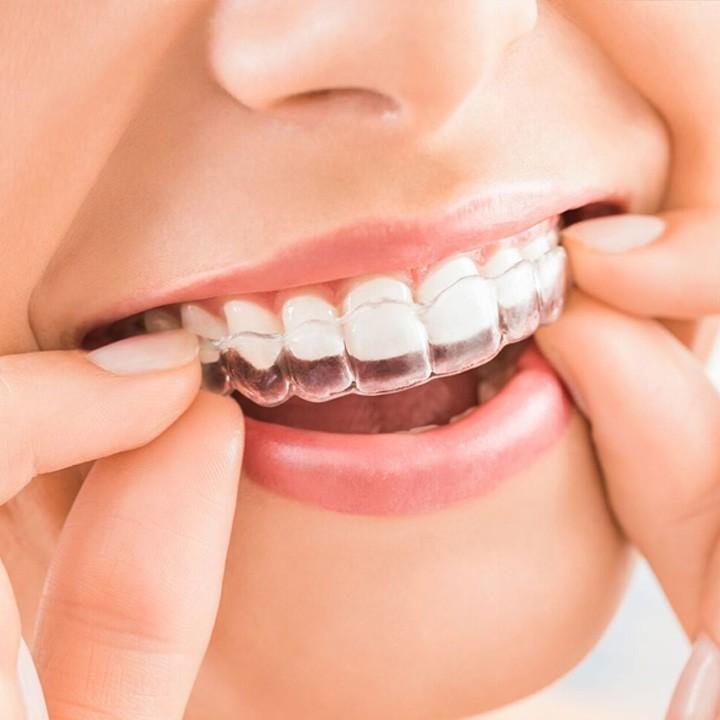
    A person putting on Invisalign clear plastic aligners on their teeth.

    Invisalign and Orthodontic Options

    In the realm of cosmetic dental treatments, options abound to help individuals achieve their desired smile. Among these, Invisalign and various orthodontic solutions stand out for their ability to discreetly and effectively align teeth. Unlike traditional braces, Invisalign offers a nearly invisible method to straighten teeth without the need for metal wires or brackets, catering to both adults and teens who prioritize aesthetics along with dental health. Orthodontic options, more broadly, encompass a range of treatments designed to correct issues such as misalignment, overcrowding, and bite irregularities, each tailored to meet the unique needs of the patient. For those exploring cosmetic dental solutions in the area, Arlington Heights Dentist at Arlington Smiles Dental Studio can provide further insights into these treatments.

    Dental Implants Overview

    Dental implants are a popular option within the realm of cosmetic dental treatments, designed to replace missing teeth and enhance the overall appearance of one’s smile. They are typically made from materials that are compatible with the human body, such as titanium, and are surgically placed into the jawbone where the tooth is missing. Over time, the implant integrates with the bone, providing a stable foundation for replacement teeth, such as crowns or bridges, that look, feel, and function like natural teeth. This procedure is sought after by individuals looking to restore their dental health and confidence in their smile.

    Conclusion

    Explore the possibilities for your smile and read our reviews on Google Maps, then call us at 847-392-2141 to discuss further.

    Kickstart

    April 16, 2024
  • Cosmetic Dentistry: Costs Explained

    Cosmetic Dentistry: Costs Explained

    Are you curious about the financial investment required for cosmetic dentistry? This post will delve into the various factors that influence the costs associated with cosmetic dental procedures, providing a broad overview of what patients might expect when considering their options.

    Factors Influencing Cosmetic Dentistry Prices

    When considering cosmetic dentistry, understanding the factors that influence the costs involved is crucial. The price of cosmetic dental procedures can vary widely depending on several key elements. One of the primary factors is the type of procedure you’re interested in. From teeth whitening to veneers and dental implants, each treatment comes with its own set of complexities and materials required, which can significantly impact the overall cost. Additionally, the expertise and location of the dental practice play a vital role in determining the price. Highly experienced dentists operating in major cities often charge more due to their expertise and the higher operational costs associated with urban practices.

    Another significant factor to consider is the technology and materials used for the procedure. Advanced technologies and high-quality materials can lead to better outcomes but also increase the price. Furthermore, the extent of the work needed to achieve the desired results can affect the cost. For instance, a patient requiring multiple procedures will likely incur a higher total cost compared to someone needing a single treatment. For those interested in learning more about what cosmetic dentistry entails and the various procedures available, visiting Exploring Cosmetic Dentistry can provide valuable insights and help set realistic expectations regarding both outcomes and expenses.

    Women smiling at the cost of cosmetic dentistry.Types of Cosmetic Dentistry Procedures

    Cosmetic dentistry encompasses a variety of procedures aimed at improving the appearance of teeth and smiles. Among these, teeth whitening is one of the most popular options, offering a quick and noticeable enhancement to one’s smile. For those looking for more substantial changes, veneers provide a way to correct issues such as chips, cracks, or gaps between teeth. Dental implants are another significant procedure within cosmetic dentistry, serving as a long-term solution for missing teeth. Each of these procedures varies in complexity and cost, catering to different needs and outcomes desired by patients.

    Orthodontics, traditionally associated with metal braces, now includes clear aligners as a less visible option for straightening teeth and correcting bite issues. Bonding, another versatile procedure, uses composite resin to repair and improve the appearance of damaged or discolored teeth. The choice of procedure depends on several factors, including the condition of the patient’s teeth, desired results, and budget. For those interested in exploring affordable options for enhancing their smile, Affordable Cosmetic Dentistry in Arlington Heights may provide the solutions they seek.

    Insurance Coverage and Cosmetic Dentistry

    When considering cosmetic dentistry, understanding how insurance coverage applies is crucial. Generally, cosmetic dentistry encompasses procedures aimed at improving the appearance of teeth, which may not always be deemed medically necessary. As a result, many insurance policies have specific guidelines on what types of cosmetic procedures, if any, are covered. Coverage can vary significantly between different insurance providers and plans, making it essential for individuals to review their policy details or consult with their insurance company to gain clarity on what cosmetic dentistry services are eligible for coverage. This step is vital in managing expectations and planning financially for any cosmetic dental work.

    Payment Plans for Cosmetic Dentistry

    Understanding the costs associated with cosmetic dentistry is crucial for anyone considering these procedures to enhance their smile. Fortunately, many dental practices now offer various payment plans to make cosmetic dentistry more accessible. These plans can help spread the cost over time, making it easier for patients to manage their finances while achieving the smile of their dreams. It’s important for individuals to consult with their dental provider to explore the specific payment options available, as terms can vary widely depending on the practice and the type of procedure being considered.

    For those in the Arlington area looking into cosmetic dental options, Arlington Heights Dentist at Arlington Smiles Dental Studio might be a resource worth exploring.

    Average Cost Range by Procedure

    When considering cosmetic dentistry, understanding the average cost range by procedure is crucial for making informed decisions. The costs can vary widely depending on the type of procedure, the complexity of the work needed, and the geographic location of the dental practice. Generally, teeth whitening is one of the more affordable options, while more complex procedures like veneers, dental implants, and full mouth reconstructions tend to be at the higher end of the cost spectrum. Each procedure is tailored to meet the specific needs of the patient, which also influences the final cost. It’s important for individuals to consult with a dental professional to get an accurate estimate based on their unique situation.

    Conclusion

    For more insights, read reviews on Google Maps or call us at 847-392-2141 to discuss further.

    Kickstart

    April 16, 2024
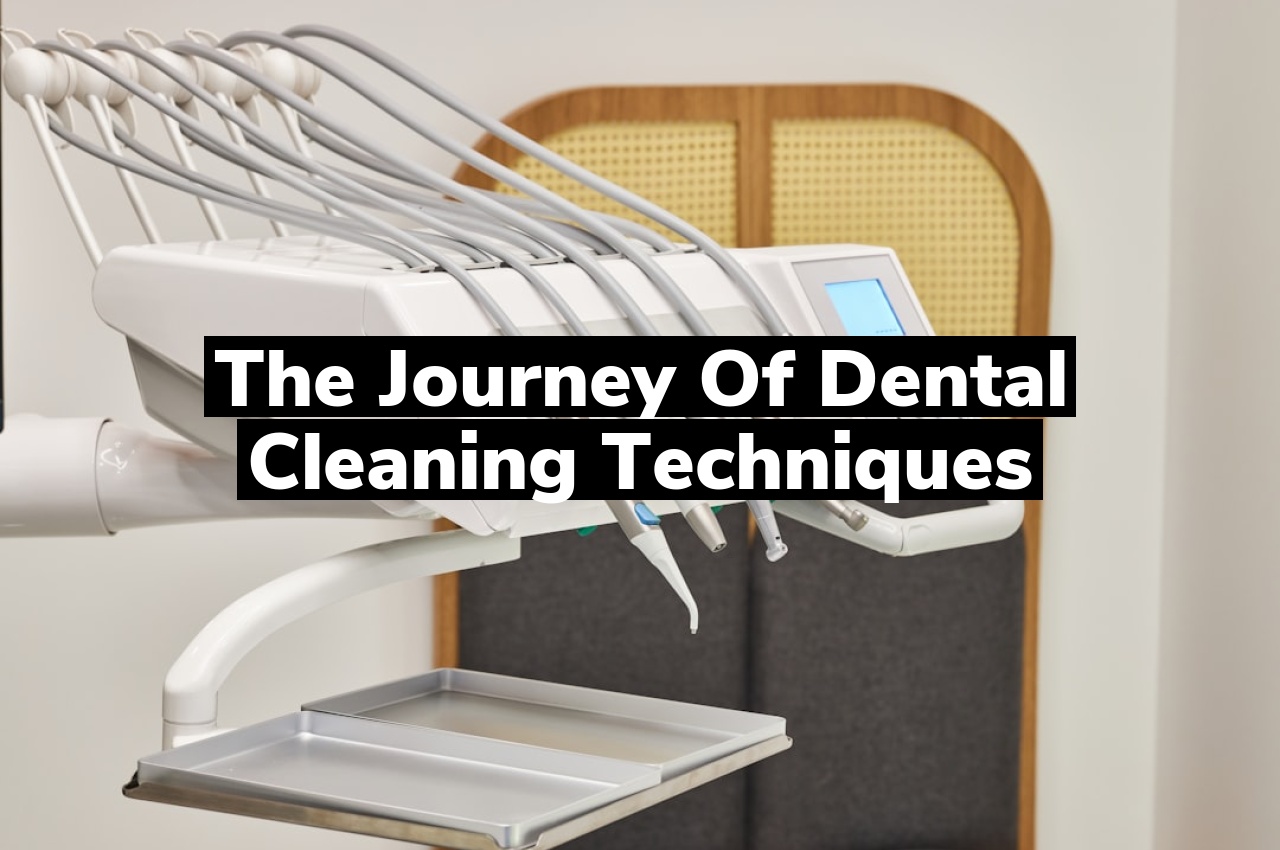
  • The Journey of Dental Cleaning Techniques

    The Journey of Dental Cleaning Techniques

    Have you ever wondered how dental cleaning techniques have evolved over the years? From ancient methods to modern advancements, the journey of dental cleaning techniques has been marked by significant innovations and improvements, ensuring better oral health care for people around the world.

    Evolution of Dental Cleaning Practices

    The journey of dental cleaning techniques is a fascinating tale of innovation and adaptation. From the ancient use of twigs and leaves to the sophisticated tools and methods employed today, the evolution of dental cleaning practices reflects humanity’s ongoing quest for oral health and hygiene. This progression has been marked by significant milestones, including the introduction of toothbrushes, dental floss, and various cleaning agents, each contributing to the effective removal of plaque and prevention of dental diseases. For a more detailed exploration of this topic, consider reading about the Evolution of Teeth Cleaning Methods, which offers insights into how these practices have transformed over the centuries.

    Understanding the historical context and development of dental cleaning techniques provides valuable perspective on the importance of oral hygiene. As research and technology continue to advance, dental cleaning practices evolve, offering more efficient and comfortable solutions for maintaining oral health. This ongoing evolution ensures that individuals have access to the best possible care, highlighting the dynamic nature of dental hygiene practices and their critical role in overall well-being.

    Traditional vs. Modern Cleaning Methods

    The evolution of dental cleaning techniques from traditional methods to modern approaches marks a significant advancement in oral healthcare. Traditional dental cleaning methods primarily relied on manual tools and techniques. These methods, while effective for their time, often required more time and could be uncomfortable for the patient. They focused on the removal of plaque and tartar through physical scraping and polishing, which, although efficient in maintaining oral hygiene, lacked the precision and comfort provided by newer technologies.

    In contrast, modern cleaning methods have embraced technological advancements, introducing devices and techniques that enhance the effectiveness, comfort, and speed of dental cleanings. These innovations include ultrasonic scalers that use high-frequency vibrations to remove plaque and tartar more efficiently and comfortably, as well as air-polishing tools that use a mix of air, water, and fine powder to gently and effectively clean teeth. The shift towards these modern methods has not only improved the patient experience by reducing discomfort and anxiety but also increased the precision with which dental professionals can target and remove oral buildups, leading to better oral health outcomes. For those looking to enhance their oral health in Arlington Heights, Brighten Your Smile offers a glimpse into the future of dental care.

    Role of Technology in Dental Hygiene

    The evolution of dental cleaning techniques has been significantly influenced by advancements in technology. These technological innovations have revolutionized the way dental hygiene is approached, making procedures more efficient, less invasive, and more comfortable for patients. From the development of high-precision tools for plaque removal to sophisticated imaging technologies that allow for early detection of dental issues, technology plays a pivotal role in maintaining oral health. The integration of these advancements into dental practices has not only improved the effectiveness of dental cleanings but also enhanced the overall patient experience by reducing the time spent in the dentist’s chair and increasing the accuracy of treatments.

    Cultural Variations in Dental Cleaning

    Throughout history, dental cleaning techniques have varied significantly across different cultures, reflecting a rich tapestry of practices and beliefs. In some societies, natural substances like twigs, feathers, and animal bones were fashioned into early dental tools for removing debris and plaque. Others utilized herbal concoctions or powders made from various plants and minerals to cleanse the teeth and freshen the breath. These traditional methods, deeply rooted in the cultural fabric of communities, highlight the diverse approaches to oral hygiene before the advent of modern dentistry. Each culture’s unique dental practices contribute to our understanding of human ingenuity in maintaining oral health through the ages.

    For those interested in experiencing the pinnacle of contemporary dental care, consider visiting Arlington Heights Dentist at Arlington Smiles Dental Studio.

    Environmental Impact of Dental Cleanings

    The journey of dental cleaning techniques has evolved significantly over the years, not only in terms of effectiveness and patient comfort but also in their environmental footprint. The environmental impact of dental cleanings is a topic of increasing concern and discussion within the dental community and beyond. This encompasses everything from the disposal of non-biodegradable materials used during the cleaning process to the energy consumption of dental equipment. As society becomes more aware of environmental issues, the dental industry continues to explore and adapt practices that aim to minimize negative effects on our planet while maintaining high standards of oral health.

    Conclusion

    Embark on your journey to better dental health by calling us at 847-392-2141 or read our reviews on Google Maps.
    Kickstart

    April 11, 2024
  • Evolution of Teeth Cleaning Methods

    Evolution of Teeth Cleaning Methods

    Have you ever wondered how the practice of teeth cleaning has evolved over the centuries? From the use of twigs and rough cloth to more sophisticated methods, the journey of dental hygiene reflects humanity’s ingenuity and increasing understanding of health. This evolution showcases a fascinating blend of cultural practices and scientific advancements.

    Ancient Civilizations’ Teeth Cleaning Practices

    The journey of dental hygiene has evolved remarkably from its inception in ancient civilizations to the sophisticated methods we are familiar with today. Historically, the quest for clean teeth has always been a part of human health practices, albeit with techniques and tools that might seem unconventional now. Ancient civilizations, including the Egyptians, Romans, and Greeks, were pioneers in the development of teeth cleaning methods. They utilized a variety of natural substances and rudimentary tools, such as sticks from specific trees, crushed bone and oyster shells mixed with flavorful compounds to clean their teeth and freshen their breath. These early endeavors laid the groundwork for the modern dental care practices we see today.

    For a deeper dive into how these practices have transformed over the centuries, exploring the comparison between ancient and modern techniques can be quite enlightening. Dental Cleaning: Past vs Present offers an insightful look into this evolution, highlighting how far dental hygiene has come from the simple sticks and powders to the advanced technology and comprehensive understanding of oral health we have today. This progression not only reflects advancements in dental science but also changes in societal attitudes towards oral hygiene.

    Medieval Dental Hygiene Techniques

    The evolution of teeth cleaning methods has seen a fascinating journey, with medieval dental hygiene techniques marking a significant chapter in history. During the medieval period, dental care was rudimentary yet innovative for its time. People relied on natural remedies and tools to maintain oral health. Chew sticks, made from twigs of aromatic trees, were used to clean teeth and freshen breath, acting as the precursors to modern toothbrushes. Additionally, powders made from crushed bones, eggshells, and herbs were applied to the teeth to remove debris and plaque. Despite the lack of advanced technology, these methods underscored the importance of oral hygiene throughout history.

    Understanding the roots of dental care highlights how far we have come in prioritizing oral health. Today, advancements in dental science offer comprehensive care that medieval methods could never achieve. For those seeking modern solutions for maintaining optimal oral hygiene, a Professional Dental Cleaning in Arlington Heights provides a thorough cleaning that goes beyond the capabilities of historical practices, ensuring a healthy smile with the help of contemporary dental expertise.

    The Rise of Modern Dentistry

    The evolution of teeth cleaning methods has been significantly influenced by the rise of modern dentistry, a field that has seen tremendous growth and innovation over the years. This era has been marked by the introduction of new techniques and the development of advanced technologies aimed at improving oral health care. Modern dentistry has played a pivotal role in transforming the way dental hygiene is approached, moving away from traditional methods to more sophisticated and effective practices. This shift has not only enhanced the efficiency of teeth cleaning but also contributed to the broader understanding and importance of maintaining oral health as a critical component of overall well-being.

    Evolution of Toothbrush Designs

    The journey of toothbrush design has been a fascinating evolution, reflecting human ingenuity and the growing understanding of dental hygiene. From the ancient civilizations using chew sticks to the introduction of bristle toothbrushes in China, made from pig hairs, the quest for the perfect tool to clean teeth has been ongoing. The 20th century saw significant advancements with the development of synthetic bristles and the electric toothbrush, revolutionizing how we approach oral care. Today, toothbrush designs continue to evolve, incorporating ergonomic handles, varying bristle textures, and even connectivity to digital devices for a more personalized brushing experience. This evolution underscores our continuous effort to maintain oral health efficiently and effectively. For those interested in learning more about modern dental care practices, Arlington Smiles Dental Studio offers insights and professional care. Visit Arlington Heights Dentist for more information.

    The Future of Oral Care

    As we look ahead, the evolution of teeth cleaning methods is poised to embrace innovative approaches that could redefine our daily oral hygiene routines. The future of oral care is expected to leverage advancements in technology and scientific research to develop more effective, efficient, and personalized strategies for maintaining oral health. This ongoing transformation aims to enhance the overall experience of dental care, making it more accessible and tailored to individual needs, while continuing to prioritize the prevention of dental diseases and the promotion of oral wellness.

    Conclusion

    From ancient times to the present, the journey of teeth cleaning methods has been fascinating. For more insights, call us at 847-392-2141 or read our reviews on Google Maps.

    Kickstart

    April 11, 2024
  • Dental Cleaning: Past vs Present

    Dental Cleaning: Past vs Present

    Have you ever wondered how dental cleaning practices have evolved from the past to the present? Historically, dental cleaning was a rudimentary practice, focusing on basic removal of debris and plaque with simple tools. Today, it incorporates advanced technology and techniques to ensure thorough cleaning and promote oral health.

    Historical Methods of Teeth Cleaning

    The journey of dental cleaning has evolved significantly from its rudimentary beginnings to the advanced techniques we see today. Historically, methods of teeth cleaning were primarily focused on the removal of debris and prevention of decay, using tools and substances that were readily available in nature. For instance, twigs, feathers, and even porcupine quills were employed as primitive toothbrushes, while powders made from crushed bones, eggshells, and oyster shells served as early forms of toothpaste. These methods, although innovative for their time, were far from the sophisticated practices developed in later years. Understanding the Formation of Dental Plaque Explained helps in appreciating the necessity of these early dental hygiene practices.

    As societies progressed, so did their understanding and approach towards dental care. The Ancient Egyptians, Greeks, and Romans introduced various dental tools and cleaning concoctions, some of which laid the groundwork for modern dentistry. However, these historical methods were not without their flaws. Without the knowledge of bacteria and the importance of sterilization, early dental practices could sometimes do more harm than good. It wasn’t until the 17th and 18th centuries that more refined and effective dental instruments and cleaning agents were developed, paving the way for the safe and thorough dental cleanings we are accustomed to today.

    Evolution of Dental Tools

    The journey of dental cleaning tools from past to present is a fascinating tale of innovation and technological advancement. In the past, dental cleaning was primarily done using rudimentary tools made from bones, sticks, and even feathers. These tools were effective for their time but were far from the sophisticated instruments we see in dental offices today. As centuries passed, the evolution of dental tools took a significant leap forward with the introduction of metal instruments. These allowed for more precise and less invasive cleaning, marking a significant milestone in the history of dental care.

    In recent years, the evolution has continued with the development of ultrasonic scalers, laser technology, and advanced electric brushes that offer a deeper, more efficient cleaning experience. These modern tools not only improve the effectiveness of dental cleanings but also enhance patient comfort significantly. The transition from basic manual tools to high-tech equipment illustrates the dental profession’s commitment to leveraging technology for better oral health outcomes. For those seeking top-notch dental care, Arlington Heights Expert Teeth Cleaning Services utilize the latest in dental cleaning technology to ensure optimal oral health.

    Changes in Dental Hygiene Practices

    Over the years, the field of dental hygiene has witnessed significant transformations, evolving with advancements in technology and a deeper understanding of oral health. Historically, dental cleaning practices were rudimentary, relying on basic tools and limited knowledge of dental science. Today, modern dentistry has embraced sophisticated techniques and equipment designed to offer more effective, less invasive cleaning procedures. This evolution reflects a broader shift towards preventive care, emphasizing the importance of regular, professional cleanings to maintain optimal oral health. The journey from past to present in dental hygiene practices underscores a commitment to improving patient experiences and outcomes in dental care.

    Role of Technology in Modern Dentistry

    The landscape of dentistry has undergone a significant transformation, largely due to the integration of advanced technology. In the past, dental cleaning and procedures were often manual, time-consuming, and could be uncomfortable for patients. Today, modern dentistry harnesses cutting-edge technologies, including digital imaging, laser treatments, and computer-aided design and manufacturing (CAD/CAM), to provide more efficient, accurate, and less invasive dental care. These technological advancements have not only improved the precision of dental treatments but have also enhanced patient comfort and reduced recovery times. The role of technology in modern dentistry is a testament to how innovation can elevate healthcare practices and patient experiences. For those seeking contemporary dental care, Arlington Heights Dentist at Arlington Smiles Dental Studio represents a blend of traditional care values with modern technological advancements.

    Shifts in Patient-Dentist Interactions

    The landscape of patient-dentist interactions has undergone significant transformations from the past to the present. Historically, these interactions were often formal and strictly professional, with a clear boundary between the practitioner and the patient. In contrast, today’s dental visits are characterized by a more personalized and communicative approach. Dentists now strive to create a welcoming environment, fostering open dialogues with their patients about their dental health concerns and treatment options. This shift reflects broader changes in healthcare, where patient engagement and satisfaction have become paramount. The evolution in these interactions has not only enhanced the patient experience but also contributed to more effective and tailored dental care solutions.

    Conclusion

    Dental cleaning practices have evolved significantly over time, reflecting advancements in technology and understanding of oral health. For more insights, read reviews on Google Maps. To discuss further, call 847-392-2141.

    Kickstart

    April 11, 2024
  • Formation of Dental Plaque Explained

    Formation of Dental Plaque Explained

    Have you ever wondered how dental plaque forms on your teeth? Dental plaque is a sticky film of bacteria that accumulates on the surfaces of teeth, primarily due to the combination of food particles, saliva, and bacteria. This process can lead to various dental issues if not managed properly.

    Initial Bacterial Adhesion to Teeth

    The formation of dental plaque begins with the initial adhesion of bacteria to the tooth surface. This process is fundamental in dental health, as it marks the start of plaque buildup that can lead to various dental issues if not properly managed. Bacteria present in the mouth adhere to the teeth by forming a sticky layer known as a biofilm. This biofilm serves as a protective environment for the bacteria, allowing them to thrive and multiply on the surfaces of teeth. The composition of saliva, presence of food particles, and individual oral hygiene habits all play significant roles in how effectively these bacteria can adhere and form plaque.

    Understanding this initial step in plaque formation underscores The Importance of Regular Teeth Cleaning. Regular dental cleanings help disrupt and remove the biofilm before it can mature into hardened plaque, which is much more difficult to remove and can lead to tooth decay and gum disease. The interaction between bacteria and the oral environment is complex, and the initial adhesion is just the beginning of what can become a series of dental health challenges if not addressed in a timely manner.

    Biofilm Development and Maturation

    The formation of dental plaque is a complex process that begins with the development of a biofilm on the surface of the teeth. This biofilm is essentially a community of bacteria that adheres to the teeth’s surface, protected by a slimy matrix they produce. Initially, the biofilm is relatively harmless and easy to remove. However, as it matures, it becomes more complex and resistant to removal. The maturation of the biofilm involves the accumulation of various species of bacteria, each playing a role in the ecosystem of the dental plaque. Over time, these bacteria interact and contribute to the structural integrity and resilience of the plaque, making it more challenging to eliminate.

    As the biofilm matures, it undergoes several changes in its composition and properties. The bacteria within the biofilm communicate through a process known as quorum sensing, which allows them to coordinate their activities and contribute to the biofilm’s growth and defense mechanisms. This maturation process is crucial for the biofilm’s survival, as it enhances its ability to resist mechanical removal and the effects of antimicrobial agents. The mature biofilm can lead to various dental issues if not adequately managed, emphasizing the importance of regular dental hygiene practices. Get Your Teeth Cleaned in Arlington Heights to help manage the development and maturation of dental plaque effectively.

    Role of Saliva in Plaque Formation

    Saliva plays a crucial role in the formation of dental plaque, a sticky film composed mainly of bacteria that adheres to teeth surfaces. While saliva naturally helps in maintaining oral hygiene by washing away food particles and neutralizing acids produced by bacteria, it also contributes to plaque formation. Saliva contains proteins and minerals that bacteria in the mouth use to adhere to the teeth surfaces, creating a biofilm. This process is a natural part of the oral ecosystem, highlighting the dual role of saliva in both protecting against and contributing to dental plaque formation.

    Dietary Sugars Impact on Plaque Growth

    The relationship between dietary sugars and the growth of dental plaque is a topic of significant importance in understanding oral health. When we consume foods high in sugars, these sugars interact with the bacteria present in our mouths. This interaction leads to the production of acids, which can contribute to the formation and proliferation of dental plaque. Plaque, a sticky film that adheres to teeth and gums, can lead to various dental issues if not properly managed. The process is a natural one, where the bacteria that live in our mouths utilize these sugars as a form of energy, producing acid as a byproduct. This acid can then erode the tooth’s surface, potentially leading to cavities and other dental complications. Understanding this connection highlights the importance of managing sugar intake and maintaining oral hygiene practices to support overall dental health. For those seeking professional dental care, Arlington Heights Dentist at Arlington Smiles Dental Studio offers a range of services to support your oral health needs.

    Consequences of Untreated Dental Plaque

    When dental plaque is not addressed, it can lead to a series of oral health issues that affect not only the teeth but also the gums and overall well-being. Initially, plaque buildup can cause tooth decay and cavities, as the bacteria in plaque produce acids that erode tooth enamel. If left untreated, this condition can progress to more serious problems such as gum disease, including gingivitis and periodontitis. These gum diseases can lead to symptoms such as swollen, bleeding gums, and if severe, may result in tooth loss. Furthermore, research has shown a link between untreated oral health conditions like those caused by dental plaque and broader health issues, including heart disease and diabetes, highlighting the importance of maintaining oral hygiene.

    Conclusion

    Understanding the formation of dental plaque is crucial for maintaining oral health. For more insights, call us at 847-392-2141 or read our reviews on Google Maps.

    Kickstart

    April 11, 2024
  • The Importance of Regular Teeth Cleaning

    The Importance of Regular Teeth Cleaning

    Have you ever wondered why regular teeth cleaning is considered crucial for maintaining oral health? Regular teeth cleaning is essential as it helps prevent the buildup of plaque and tartar, which can lead to gum disease and tooth decay. It also plays a significant role in keeping your breath fresh and your smile bright.

    Preventing Tooth Decay and Cavities

    Regular teeth cleaning is a fundamental practice for maintaining oral health, primarily because it plays a crucial role in preventing tooth decay and cavities. These common dental issues arise when plaque, a sticky film of bacteria, builds up on the teeth. Over time, this plaque can harden into tartar, which is much more difficult to remove and can lead to the erosion of the tooth’s enamel. This process not only compromises the structural integrity of the teeth but also creates an environment conducive to further decay and cavity formation.

    Understanding the balance between maintaining oral hygiene through regular cleanings and recognizing potential drawbacks is essential. For a deeper insight into this topic, consider exploring the Benefits & Drawbacks of Frequent Teeth Cleanings. This exploration can provide a more nuanced view of how regular dental appointments contribute to oral health while also highlighting considerations to keep in mind. Ultimately, the goal of these practices is to minimize the risk of tooth decay and cavities, ensuring a healthier mouth and a brighter smile.

    Reducing Risk of Gum Disease

    Gum disease, also known as periodontal disease, is a common condition that affects many individuals worldwide. It begins with the buildup of plaque on the teeth, which if not removed through regular cleaning, can harden into tartar. This can lead to inflammation of the gums, known as gingivitis, and if left untreated, can progress to more severe forms of gum disease. Regular teeth cleaning is crucial in removing plaque and preventing the accumulation of tartar, thereby reducing the risk of developing gum disease.

    Maintaining oral hygiene through professional cleanings is essential for overall dental health. These cleanings not only help in keeping your teeth and gums healthy but also play a significant role in preventing the onset of gum disease. For those seeking professional dental cleaning services, Top Dental Cleaning Service Arlington Heights offers comprehensive care to ensure your oral health is maintained.

    Eliminating Bad Breath Causes

    Bad breath, medically known as halitosis, can be an embarrassing and often distressing condition for many individuals. Regular teeth cleaning plays a crucial role in addressing the root causes of bad breath. This routine practice helps in removing the buildup of plaque and tartar, which are common culprits behind the unpleasant odor. Moreover, it aids in identifying and managing other potential issues that could contribute to bad breath, ensuring oral hygiene is maintained at an optimal level.

    Enhancing Overall Oral Health

    Regular teeth cleaning is a cornerstone of maintaining good oral hygiene and plays a crucial role in enhancing overall oral health. By removing plaque and tartar that can lead to gum disease and tooth decay, regular cleanings help keep your mouth healthy and prevent more serious conditions from developing. Moreover, these cleanings provide an opportunity for dental professionals to identify potential issues early on, ensuring that your oral health is always at its best. For those seeking professional care, Arlington Heights Dentist at Arlington Smiles Dental Studio is known for their commitment to maintaining the oral health of their patients.

    Early Detection of Dental Issues

    Regular teeth cleaning plays a crucial role in the early detection of dental issues. By maintaining a routine of professional cleanings, individuals are more likely to have potential problems identified before they develop into more serious conditions. This proactive approach allows for the monitoring of oral health, ensuring that any signs of decay, gum disease, or other dental concerns are spotted promptly. Early detection is key in managing oral health effectively, helping to maintain both the strength and longevity of your teeth and gums.

    Conclusion

    Maintaining the health of your teeth through regular cleanings is crucial; to learn more, call us at 847-392-2141 or read our reviews on Google Maps.

    Kickstart

    April 11, 2024
  • Benefits & Drawbacks of Frequent Teeth Cleanings

    Benefits & Drawbacks of Frequent Teeth Cleanings

    Are the benefits of frequent teeth cleanings outweighed by any potential drawbacks? While regular dental cleanings are crucial for maintaining oral health, understanding the balance between necessary care and overdoing it is essential for overall well-being. This post explores the general advantages and possible disadvantages of having your teeth cleaned often.

    Improved Oral Health Maintenance

    Frequent teeth cleanings are a cornerstone of maintaining optimal oral health. By regularly removing plaque and tartar, these cleanings help prevent the development of cavities and gum disease, two common issues that can lead to more severe dental problems if left untreated. Moreover, these sessions provide an opportunity for dental professionals to conduct thorough examinations of the mouth, ensuring any potential issues are identified and addressed early on. For those interested in understanding how dental cleaning techniques have evolved to become a critical component of oral health maintenance, a deeper dive into The Journey of Dental Cleaning Techniques can offer valuable insights.

    Additionally, the practice of frequent teeth cleanings plays a significant role in preventing bad breath, also known as halitosis, which can be caused by the bacteria present in dental plaque. These cleanings not only contribute to a fresher breath but also promote a brighter smile by reducing stains that accumulate over time from food and drink. While the benefits of maintaining such a regimen are clear, it’s important to balance the frequency of these cleanings with professional advice to ensure the best outcomes for one’s oral health.

    Potential for Enamel Wear

    Frequent teeth cleanings, while beneficial for maintaining oral health, carry a potential drawback that warrants consideration: the risk of enamel wear. The enamel, being the outermost layer of the teeth, acts as a protective shield against decay and sensitivity. However, it is not impervious to damage. Excessive or overly aggressive dental cleanings can lead to the gradual erosion of this protective layer. This erosion process can make teeth more susceptible to decay and sensitivity, highlighting the importance of balancing the frequency and technique of dental cleanings to preserve enamel integrity.

    Understanding the balance between maintaining oral health through regular cleanings and protecting your enamel is crucial. If you’re looking for professional guidance to achieve this balance, consider exploring Affordable Arlington Heights Dental Cleaning services. These professionals can provide insights and care tailored to preserving your enamel while ensuring your oral health is not compromised.

    Reduction in Gum Disease Risk

    Frequent teeth cleanings play a crucial role in maintaining oral health, primarily by significantly reducing the risk of gum disease. This condition, which affects a large portion of the population, can lead to various complications if not addressed properly. Regular removal of plaque and tartar, which are known contributors to gum disease, helps in keeping the gums healthy and preventing the onset of this condition. The process ensures that the buildup of harmful bacteria around the teeth and gum line is minimized, thereby safeguarding against the inflammation and infection that characterize gum disease.

    Cost Implications of Frequent Visits

    The financial aspect of maintaining oral health through frequent teeth cleanings is a significant consideration for many individuals. Regular dental visits can lead to better oral health, but they also come with their own set of cost implications. The frequency of these visits can impact one’s budget, as dental cleanings, while essential for preventing oral diseases and ensuring the longevity of your teeth, may not always be covered fully by insurance. This necessitates a careful evaluation of one’s healthcare budget and insurance coverage to manage the expenses associated with maintaining optimal oral hygiene. Understanding the balance between the necessary frequency of dental visits and their associated costs is crucial for making informed decisions about oral health care. For those in the Arlington Heights area seeking professional dental care, consider visiting Arlington Heights Dentist at Arlington Smiles Dental Studio for your needs.

    Sensitivity Issues After Cleanings

    Following frequent teeth cleanings, some individuals may experience sensitivity issues. This sensitivity can manifest as a temporary discomfort when consuming hot, cold, or sweet foods and beverages. The sensation is generally a result of the cleaning process, which might expose parts of the tooth that are more sensitive to temperature and pressure changes. While this is a common occurrence for some after professional dental cleanings, the intensity and duration of the sensitivity can vary from person to person.

    Conclusion

    Balancing the benefits and drawbacks of frequent teeth cleanings is crucial for your dental health. For more insights, read reviews on Google Maps. Ready to discuss further? Call us at 847-392-2141.

    Kickstart

    April 11, 2024
←Previous Page

Arlington Smiles Dental Studio

Proudly making smiles brighter in the Illinois area.

Book An Appointment

Payment Portal

Contact

121 S. Wilke Rd, Ste 120 Arlington Heights, IL 60005-1510

(847) 392-2141

Services

  • Cosmetic Dentistry

  • Emergency Dentistry

  • General Dentistry

  • Restorative Dentistry

Hours

Monday: 9 AM–6 PM
Tuesday: 8 AM–5 PM
Wednesday: 7 AM–4 PM
Thursday: 8 AM–2 PM
Friday: Closed
Saturday: Closed
Sunday: Closed

© 2025 Arlington Smiles Dental Studio. Privacy Policy

Ready to Schedule An Appointment?